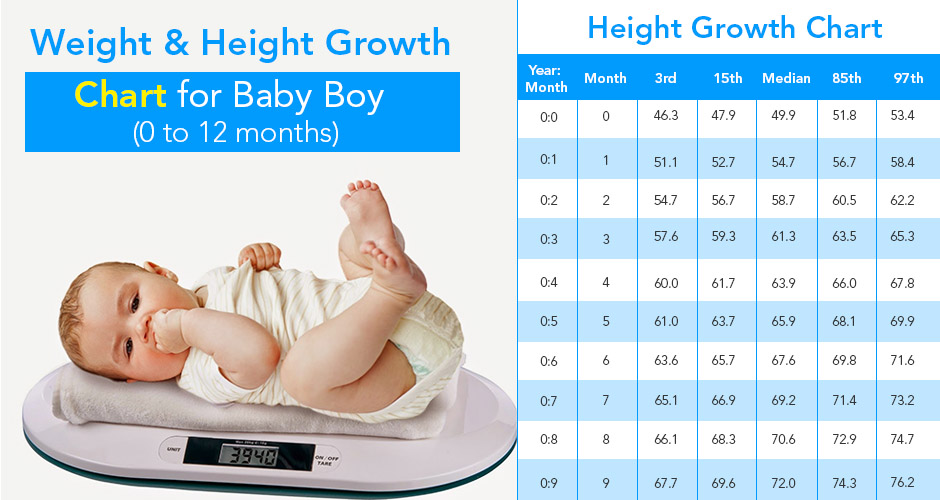
Weight Chart For Babies . Your health visitor and doctor use baby growth and weight charts, known as ‘centile charts’, to track your baby’s physical development in the personal child health record (red book) that is usually given to you just before or after your baby is born. Find your baby’s weight (pounds or kilograms) on the right side of the grid, and then find your child’s age in months at the top of the chart.
Average Growth Patterns Of Breastfed Babies • Kellymom.com from kellymom.com
Also, the chart indicates the percentile into which the child’s weight falls. Find your child’s age in months at the top of the chart. Height and weight chart for indian babies (0 to 12 months) understand your babies ideal height and weight with this easy chart from parentlane at your finger tips.find out more here.
Average Growth Patterns Of Breastfed Babies • Kellymom.com
After two years, most practices transition to the cdc chart, though the graph below will work for up to five years. Between six months and one year, weight gain slows down a little. Baby growth chart / indian baby height (cm) chart and weight (kg) chart : Baby height and weight tracker.
Source: www.smartparenting.com.ph
Here are the average expected growth patterns for breastfed infants: Lastly, use the baby growth chart to track your little one’s percentile for weight using the following steps: The first percentile charts were created in the us in 1977, using data obtained from physicians. In the united states, the average baby weighs. Most babies double their birth weight by five.
Source: www.disabled-world.com
Baby chart or growth chart, will help the parents access the nutritional status of their child. Weight, length and head circumference. As the baby gains height and weight, their normal growth pattern can be. Find your baby’s weight (pounds or kilograms) on the right side of the grid. Here are the average expected growth patterns for breastfed infants:
Source: kellymom.com
Parents usually compare their babies growth with other babies of the same age. Boys, even in infancy, tend to be taller, heavier and grow faster than girls do. Weight, length and head circumference. By one year, the average weight of a baby girl is approximately 19 pounds 10 ounces (8.9 kg), with boys weighing about 21 pounds 3 ounces (9.6.
Source: www.pregnancybirthbaby.org.au
Note, the cdc recommends the use of the who charts for babies and infants from birth to two years of age. Between six months and one year, weight gain slows down a little. Follow that curved line until the end, where the percentiles are written on a white, shaded background. The first six years of a child’s life are extremely.
Source: www.parents.com
Your health visitor and doctor use baby growth and weight charts, known as ‘centile charts’, to track your baby’s physical development in the personal child health record (red book) that is usually given to you just before or after your baby is born. The first percentile charts were created in the us in 1977, using data obtained from physicians. Find.
Source: www.babycenter.com
Your health visitor and doctor use baby growth and weight charts, known as ‘centile charts’, to track your baby’s physical development in the personal child health record (red book) that is usually given to you just before or after your baby is born. Age (in months) 3rd percentile weight (in kilograms) 5th percentile weight (in kilograms) 10th percentile weight (in.
Source: www.facebook.com
A baby weight chart is one that plots the weight of a child on a graph, comparing it with the weight of other children with gender and age factors remaining constant. Also may want to know whether their baby is growing normally or not. Babies born at a low birth weight weigh between 3 pounds, 5 ounces (1.5 kilograms) to.
Source: www.babydestination.com
Baby chart or growth chart, will help the parents access the nutritional status of their child. Most babies double their birth weight by five to six months of age and triple it by the time they are a year old. Between six months and one year, weight gain slows down a little. Who standard height and weight chart for babies..
Source: www.chinabrands.com
The height and weight of most babies are tracked on the standard charts, but there are different charts for premature babies and those with certain medical conditions that can affect growth. Stay in close contact with your health professionals and breastfeeding expert if your baby’s weight is crossing centiles and see the examples and ideas for action below. Weight, length.
Source: www.parents.com
If you’re referring to a baby boy weight chart by month, you would see that the vertical axis on the left of the chart gives the months of the baby. Also, the chart indicates the percentile into which the child’s weight falls. The first percentile charts were created in the us in 1977, using data obtained from physicians. Stay in.
Source: www.pinterest.com
These charts show the pattern of growth healthy children usually follow, whether they're breastfed or. Weight, length and head circumference. The percentile tells you what percentage of babies weigh less than your baby. Understanding the height and weight chart is simple. Follow that curved line until the end, where the percentiles are written on a white, shaded background.
Source: www.nytimes.com
Find your baby’s weight (pounds or kilograms) on the right side of the grid. This app uses who tables and data for calculations. Understanding your baby's weight chart your child's growth will be recorded on centile charts in their personal child health record (pchr), or red book. If you’re referring to a baby boy weight chart by month, you would.
Source: www.pampers.co.uk
Here we have provided a converter to convert baby weights into kilograms and grams (kg & g) and also to convert small weights in kilograms and grams into pounds and ounces. The following charts show child growth. A baby weight chart is one that plots the weight of a child on a graph, comparing it with the weight of other.
Source: en.wikipedia.org
These charts show the pattern of growth healthy children usually follow, whether they're breastfed or. After two years, most practices transition to the cdc chart, though the graph below will work for up to five years. This calculator provides your baby's weight percentile based on age. The percentile shows how your infant's weight compares to other infants. 24 rows average.
Source: www.mamanatural.com
Weight, length and head circumference. As the baby gains height and weight, their normal growth pattern can be. Or sign up to save measurements. The first six years of a child’s life are extremely crucial especially when it comes to growth and hence, it is very important to keep a tab on child’s height and weight through our very own.
Source: theconversation.com
Age (in months) 3rd percentile weight (in kilograms) 5th percentile weight (in kilograms) 10th percentile weight (in kilograms) 25th percentile weight (in kilograms) A baby weight chart is one that plots the weight of a child on a graph, comparing it with the weight of other children with gender and age factors remaining constant. Find your baby’s weight (pounds or.
Source: www.grepmed.com
A baby weight chart is one that plots the weight of a child on a graph, comparing it with the weight of other children with gender and age factors remaining constant. As the baby gains height and weight, their normal growth pattern can be. 2 to 20 years : Baby chart or growth chart, will help the parents access the.
Source: www.pinkblueindia.com
Note, the cdc recommends the use of the who charts for babies and infants from birth to two years of age. If you’re referring to a baby boy weight chart by month, you would see that the vertical axis on the left of the chart gives the months of the baby. For laymen, a percentile is simply a statistical measure,.
Source: www.momjunction.com
The horizontal axis has the baby’s weight marked on it. Follow that curved line until the end, where the percentiles are written on a white, shaded background. 24 rows average baby weight and length chart by month. Find your child’s age in months at the top of the chart. 2 to 20 years :
Source: www.pampers.com
Find your baby’s weight (pounds or kilograms) on the right side of the grid, and then find your child’s age in months at the top of the chart. Lastly, use the baby growth chart to track your little one’s percentile for weight using the following steps: Age (in months) 3rd percentile weight (in kilograms) 5th percentile weight (in kilograms) 10th.